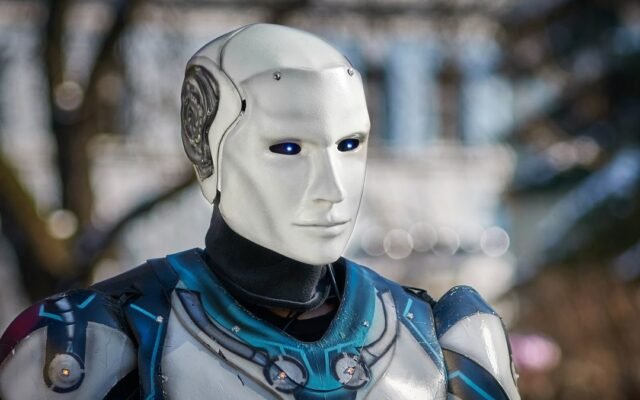
The Rise of Multimodal AI: Audio, Vision, and Text in Real-Time
Discover the next frontier in artificial intelligence: native multimodal models that hear, see, and reason across real-time video, audio, and text.

For years, artificial intelligence was fragmented into separate silos: text models, speech-to-text models, and computer vision models. Today’s native multimodal foundation models process sound, images, and language simultaneously, unlocking human-like interactive computing.
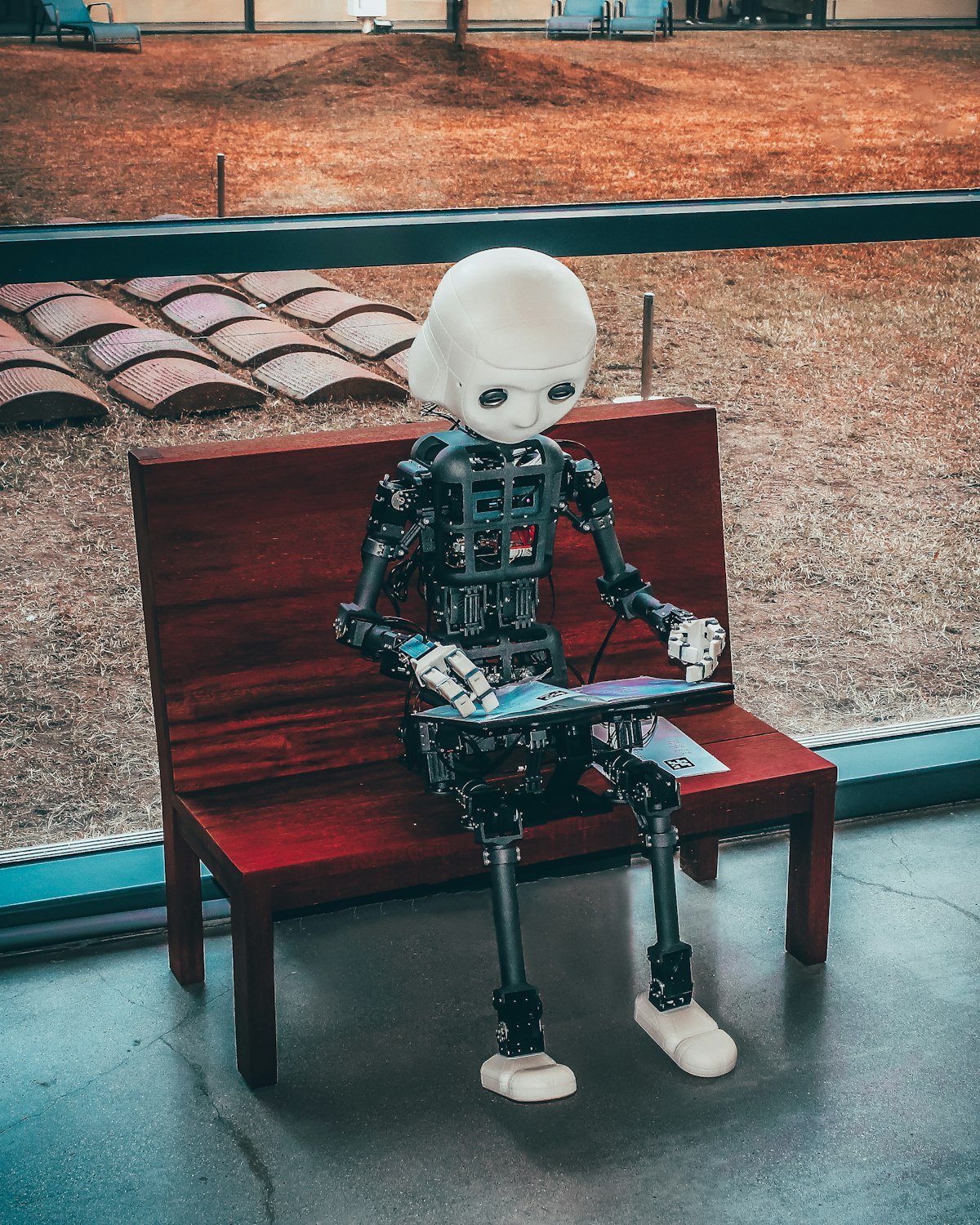
Why Native Multimodality is a Game Changer
In legacy setups, an audio clip had to be converted to text, processed by an LLM, and fed back into speech synthesis. Native multimodal architectures process raw audio waveforms directly, capturing emotion, inflection, cadence, and background noise seamlessly.
Real-World Applications Across Industries
- Live Video Troubleshooting: Pointing your smartphone camera at a broken appliance while the AI talks you through the repair step-by-step.
- Real-Time Simultaneous Translation: Natural conversational translation that preserves the speaker’s original vocal tone and cadence.
- Automated Medical Imaging Diagnostics: Combining patient medical history text with high-resolution MRI scans for comprehensive analysis.
- Accessibility Enhancements: Conversational visual assistants that describe surroundings to visually impaired users in real time.
Conclusion
Multimodal computing transforms artificial intelligence from a static typing window into an ambient collaborator that perceives the real physical world.